More regions across the EU are being hit by an escalating insurance crisis as extreme weather becomes more frequent and severe.
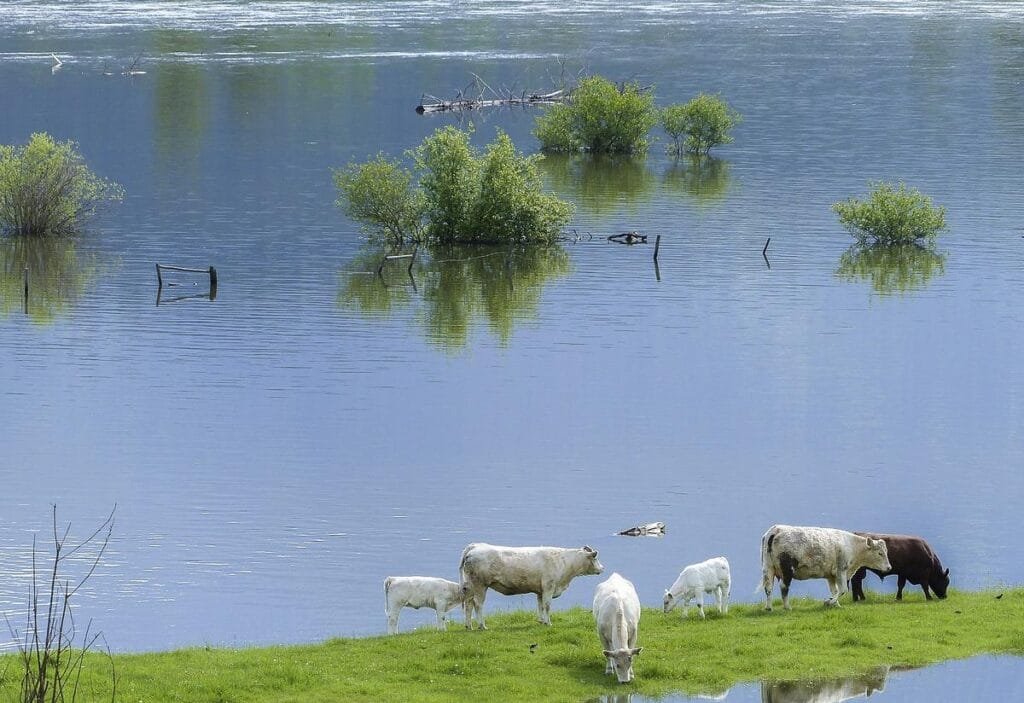
WWF’s new report “Tackling the Insurance Protection Gap: leveraging climate and nature to increase resilience” warns that rising climate and nature risks are undermining financial resilience and putting previously low-risk areas in the danger zone.
“With economic losses soaring and most damages left uninsured, urgent action is needed to close the insurance protection gap and safeguard Europe’s financial stability. Without decisive measures, households, businesses, and public budgets will face ever-growing costs,” said Dominyka Nachajute, Sustainable Finance Policy Officer at WWF European Policy Office.
Europe is warming almost twice as fast as the global average, exposing new regions to climate risks and pushing some insurance markets to the brink. In 2025 alone, extreme summer events, like heatwaves, floods, and droughts, caused an estimated €43 billion in damages across the EU, and experts warn cumulative losses could reach €126 billion by 2029 if action is not taken. Yet, between 1980 and 2023, only 5% to 20% of economic losses from such events were covered by insurance.
The report lays out practical steps to prevent Europe’s insurance safety net from unravelling. WWF urges governments and regulators to assess climate and nature risks comprehensively, deliver on climate and nature goals, prioritise nature-based solutions in adaptation, and strengthen policy and insurance frameworks to improve financial resilience.
“The exponentially growing losses and damage from extreme weather events that are undermining the insurance market, are caused both by increasing temperature and the destruction of ecosystems that are protecting us”, said Kirsten Schuijt, Director General of WWF International. “Forests, mangroves or wetlands are crucial for reducing the devastating impact of these extreme events and therefore need to be at heart of the strategies to increase our resilience and keep regions insurable.”
WWF calls on EU policy-makers to amend insurance regulation, mandate credible transition plans from companies, and shape risk-sharing schemes where insurers and governments pool resources: they should not only compensate losses, but also steer insurers, as major investors, away from fossil fuel investments and towards decarbonisation.