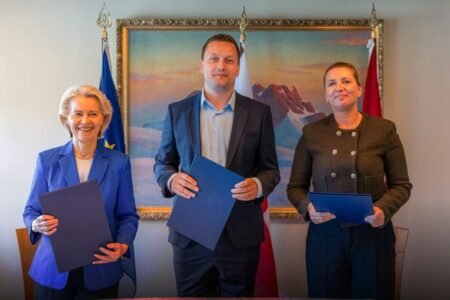


EU leaders at their final summit of the year agreed to provide a loan to Ukraine of EUR 90 billion for the next two years instead of through Russia’s frozen assets, in view objection from the Czech Republic, Hungary, and Slovakia.
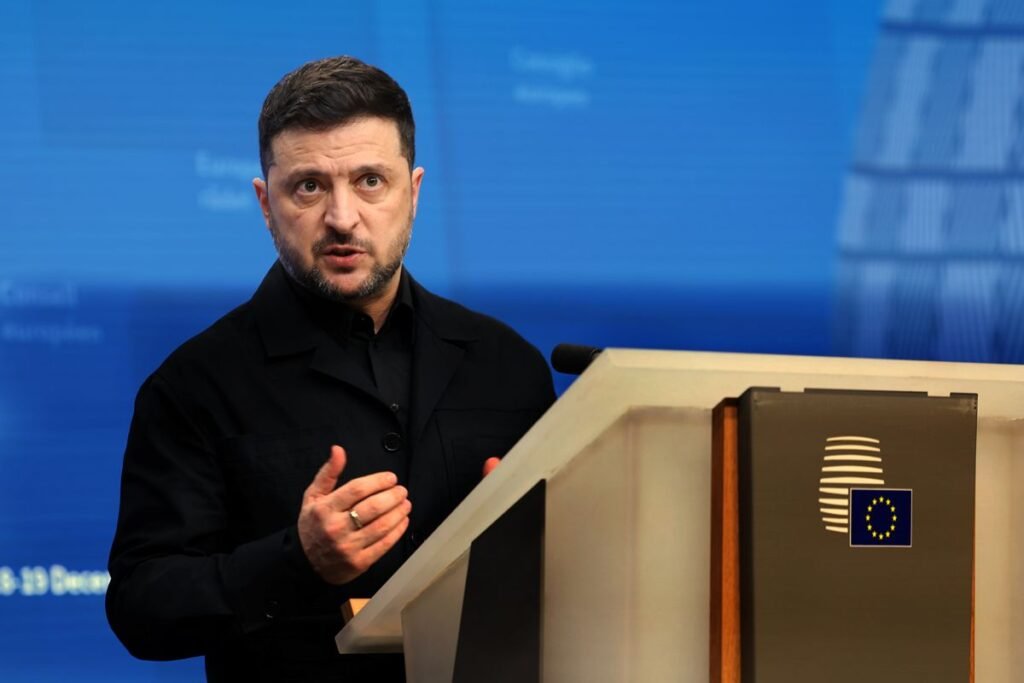
The loan will be based on EU borrowing on the capital markets guaranteed by the EU budget. The European Council agreed that the plan would not financially implicate the Czech Republic, nor Hungary and Slovakia, who have indicated support for Russia.
At the meeting, the Council reaffirmed the EU’s “continued and unwavering” support for Ukraine’s independence, sovereignty and territorial integrity within its internationally recognised borders.
The loan will address urgent financial needs of Ukraine, and Ukraine will only repay it once Russia pays reparations. Council and the European Parliament have committed to continue working on technical and legal aspects of the instruments establishing a Reparations Loan based on the cash balances associated with Russia’s immobilised assets.
The EU leaders have also agreed to roll over sanctions against Russia. “Our goal is not to prolong the war,” said European Council President Antonio Costa: “In fact, today’s decisions are a crucial contribution to achieve a just and lasting peace for Ukraine. Because the only way to bring Russia to the negotiation table is to strengthen Ukraine. Today’s decisions will provide Ukraine with the necessary means to defend itself and to support the Ukrainian people.”
The Council’s Conclusions state “borders must not be changed by force and any future agreement must respect Ukraine’s independence, sovereignty and territorial integrity.”
The EU member states say they are ready “to contribute to robust and credible security guarantees for Ukraine, notably through the Coalition of the Willing and in cooperation with the United States.”
Subject to EU law, EU leaders say Russia’s assets “should remain immobilised until Russia ceases its war of aggression against Ukraine and compensates it for the damage caused by its war.”
The Council and the European Parliament will continue working on technical and legal aspects of the instruments establishing a Reparations Loan based on the cash balances associated with Russia’s immobilised assets.
This loan would be repaid by Ukraine only once reparations are received. Until then, these assets will remain immobilised and the Union reserves its right to make use of them to repay the loan, in full accordance with EU and international law.
In relation to the loan, the leaders make clear that it should be used to strengthen the European and Ukrainian defence industries, to step up efforts to address Ukraine’s pressing military and defence needs, in particular air defence and anti-drone systems and large-calibre ammunition.
In this context, further support for, development of, and investment in Ukraine’s defence industry remains crucial, they say, including through the establishment of Ukrainian defence production in EU Member States.
They are also clear that it remains Ukraine’s responsibility to continue uphold the rule of law, including the fight against corruption.
As regards sanctions, the Council will continue working on new sanctions against Russia, aiming to adopt it as soon as possible after its presentation in early 2026. It also stresses the importance of further coordination with G7 and other like-minded partners on sanctions, and of further reinforcing the anti-circumvention measures.