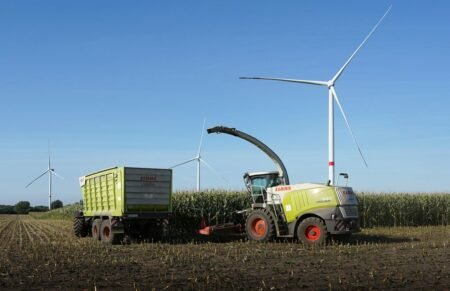
The European Parliament and EU Council have reached a provisional agreement on a set of rules that establish a legal framework for new EU rules for plants obtained by using new genomic techniques (NGTs).
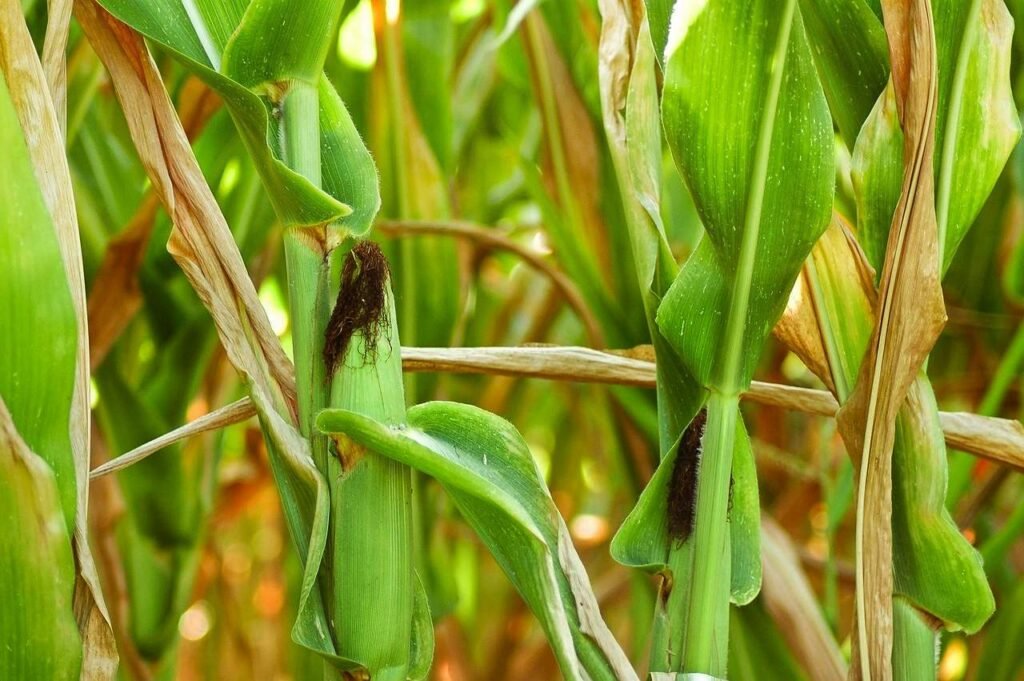
New genomic techniques are innovative tools that can boost the agricultural and bioeconomy sectors through enabling faster, more targeted and more precise changes to plant varieties than conventional breeding techniques.
The objective of the new rules is to make the food system more sustainable and resilient by developing and giving access to improved plant varieties that are climate- and pest-resistant, give higher yields, or require fewer fertilisers and pesticides. Several NGT products are already available on the market outside the EU, e.g. corn, wheat, and rice varieties that need less water, and bananas and mushrooms that do not go brown.
Criteria for NGT1 and NGT2 plants
The legislators agreed on criteria to determine what constitutes an NGT1 plant and on an exclusionary list of intended traits, including known insecticidal effects and tolerance to herbicides, that are not allowed in NGT1 plants. To steer the use of NGTs towards the development of plants with sustainability features (e.g. climate and pest resistance), the legislators tasked the Commission and member states with monitoring the sustainability impacts of NGT plants, including with data obtained from official controls.
Intellectual property rights and patents
The informal deal allows patents for NGTs, except for those traits or sequences occurring in nature or produced by biological means, with safeguards to prevent market concentration, and to ensure affordability and fair access for farmers, so they retain the right to save and replant seeds.
To facilitate breeders’ access to NGTs and to enhance the legal certainty and transparency of information relating to patents, the Commission will work with stakeholders to draw up an EU code of conduct on patents no later than 18 months after entry into force of this Regulation.
An important aim of the code of conduct will be to include the modalities for licensing of patents under fair and reasonable conditions and the amicable settlement of patent disputes involving breeders and farmers in case of unintentional minor presence of patented material in their fields.
If a Commission impact assessment reveals significant barriers to access patented NGTs, it will have to take suitable action, including further legislative measures to set-up mandatory conditions, if appropriate.
Traceability, labelling and opt-out for member states
The co-legislators agreed that plant varieties containing or derived from a NGT1 plant must be clearly indicated in all official databases and that all seed bags must be labelled NGT1, to allow farmers to make an informed choice. Full traceability and labelling will remain obligatory for NGT2s and EU countries may restrict or prohibit the cultivation of NGT2s after they have been authorised for cultivation in the EU in line with current rules on GMOs.
Organic plants
No NGTs will be allowed in organic production but the technically unavoidable presence of NGT1 plants would not constitute non-compliance. The Commission will assess whether this regulation creates any administrative, economic, or practical burdens for organic operators, including relating to their own perception and that of consumers.
The vote on the informal agreement now needs to be endorsed by both Parliament and Council in second reading. It will then enter into force 20 days after it has been published in the EU Official Journal, and will apply two years later.
Procedure file, European Parliament