Close Menu
    Latest Category
    • Finance
    • Tech
    • EU Law
    • Energy
    • About
    • Contact
    EUbusiness.com | EU news, business and politicsEUbusiness.com | EU news, business and politics
    Login
    • EU News
    • Focus
    • Guides
    • Press
    • Jobs
    • Events
    • Directory
    EUbusiness.com | EU news, business and politicsEUbusiness.com | EU news, business and politics
    Home » Hourly labour costs in the EU ranged from EUR 11 to EUR 55 in 2024

    Hourly labour costs in the EU ranged from EUR 11 to EUR 55 in 2024

    eub2eub228 March 2025 Employment Policy in the EU
    — Filed under: EU News
    Share
    Facebook Twitter LinkedIn Pinterest Email

    Average hourly labour costs in the whole economy were estimated at EUR 33.5 in the EU and EUR 37.3 in the euro area, as compared with EUR 31.9 and EUR 35.7 respectively in 2023.
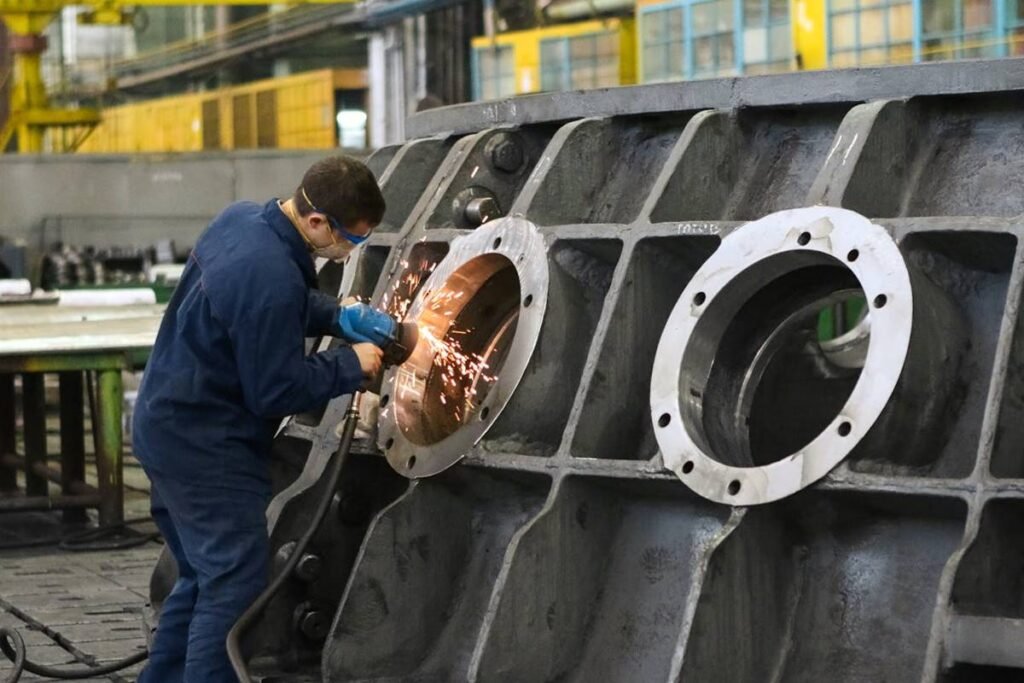
    Worker - Photo by Kateryna Babaieva on Pexels

    The estimates come from data on labour costs levels published by Eurostat, the EU’s statistics agency.

    The lowest hourly labour costs were in Bulgaria, while the highest were in Luxembourg. The average hourly labour costs show significant gaps between EU countries, with the lowest hourly labour costs recorded in Bulgaria (€10.6), Romania (€12.5) and Hungary (€14.1) while the highest in Luxembourg (€55.2), Denmark (€50.1) and Belgium (€48.2).

    Average hourly labour costs in industry were €33.9 in the EU and €39.8 in the euro area. In construction, they were €30.0 and €33.4, respectively. In services, hourly labour costs varied between €33.3 in the EU and €36.4 in the euro area. In the mainly non-business economy (excluding public administration) they were €34.2 and €37.5, respectively.

    The two main components of labour costs are wages and salaries and non-wage costs (e.g. employers’ social contributions). The share of non-wage costs in total labour costs for the whole economy was 24.7% in the EU and 25.5% in the euro area. The lowest shares of non-wage costs in the EU were recorded in Romania (4.8%), Lithuania (5.4%) and Malta (5.8%) and the highest in France (32.2%) and Sweden (31.6%).

    Hourly labour costs, 2024 (interactive map, Eurostat)

    In 2024, compared with 2023, hourly labour costs at whole economy level expressed in € rose by 5.0% in the EU and by 4.5% in the euro area.

    Within the euro area, hourly labour costs increased in all countries. The largest increases were recorded in Croatia (+14.2%), Latvia (+12.1%) and Lithuania (+10.8%) and the lowest in Czechia (+1.3%) followed by Finland (+1.8%) and Luxembourg (+2.1%).

    For EU countries outside the euro area, the hourly labour costs expressed in national currency increased in 2024 in all countries, with the largest increases recorded in Romania (+14.2%), Bulgaria (+13.9%), Hungary (+13.6%) and Poland (+12.8%). They increased the least in Sweden (+3.6%).

    Statistics Explained article on hourly labour costs, Eurostat 

    Thematic section on labour costs

    Database on the labour market

    Add A Comment
    Leave A Reply Cancel Reply

    You must be logged in to post a comment.

    eub2
    • Website

    eub2 is the default publisher for EUbusiness.

    Related Content

    Henna Virkkunen - Photo © European Union 2026

    EU Inc. to boost startups and growth in Europe

    Woman business manager - Photo by LinkedIn Sales Solutions on Unsplash

    35 pct of managerial positions in EU held by women

    Worker - Photo by Kateryna Babaieva on Pexels

    Provisional agreement to support EU workers at risk of losing their jobs

    Small businesses - Photo by Fox on Pexels

    Navigating the European Union’s Strategy for Startup and Scaleup Businesses: Guide for Entrepreneurs

    L'Afep logo

    EU Affairs Policy Advisor, Association of Large French Companies, AFEP

    Asbestos - Photo by Antonio Friedemann on Pexels

    EU publishes new guidelines to protect workers from asbestos

    LATEST EU NEWS
    BEAK UAV drone made by Origin Robotics - Photo by Gints Ivuskans © European Union 2025

    Brussels boosts support to Ukrainian deep tech innovators

    2 April 2026
    Zelensky - Kallas- Ukraine - Photo © European Union 2026

    EU to deliver EUR 1.4 bn revenue from frozen Russian assets to be used for support to Ukraine

    2 April 2026
    House sparrow - Photo by Alexas Fotos on Pexels

    Brussels issues guidance for ‘more balanced’ rules on protecting wild birds

    1 April 2026
    Bankruptcy - Image by Michael Schüller from Pixabay

    EU Council greenlights common EU rules for insolvency proceedings

    30 March 2026
    European-made armoured vehicles - Photo © European Union 2025

    Brussels EUR 1.5 bn work programme to boost European and Ukrainian defence industry

    30 March 2026

    Subscribe to EUbusiness Week

    Get the latest EU news

    CONTACT INFO

    • EUbusiness, 117 High Street, Chesham Buckinghamshire, HP5 1DE, United Kingdom
    • +44(0)20 8058 8232
    • service@eubusiness.com

    INFORMATION

    • About Us
    • Advertising
    • Contact Info

    Services

    • Cookie Policy
    • Terms
    • Disclaimer

    SOCIAL MEDIA

    Facebook
    eubusiness.com © EUbusiness Ltd 2026

    Type above and press Enter to search. Press Esc to cancel.

    Manage Consent
    To provide the best experiences, we use technologies like cookies to store and/or access device information. Consenting to these technologies will allow us to process data such as browsing behavior or unique IDs on this site. Not consenting or withdrawing consent, may adversely affect certain features and functions.
    Functional Always active
    The technical storage or access is strictly necessary for the legitimate purpose of enabling the use of a specific service explicitly requested by the subscriber or user, or for the sole purpose of carrying out the transmission of a communication over an electronic communications network.
    Preferences
    The technical storage or access is necessary for the legitimate purpose of storing preferences that are not requested by the subscriber or user.
    Statistics
    The technical storage or access that is used exclusively for statistical purposes. The technical storage or access that is used exclusively for anonymous statistical purposes. Without a subpoena, voluntary compliance on the part of your Internet Service Provider, or additional records from a third party, information stored or retrieved for this purpose alone cannot usually be used to identify you.
    Marketing
    The technical storage or access is required to create user profiles to send advertising, or to track the user on a website or across several websites for similar marketing purposes.
    • Manage options
    • Manage services
    • Manage {vendor_count} vendors
    • Read more about these purposes
    View preferences
    • {title}
    • {title}
    • {title}

    Sign In or Register

    Welcome Back!

    Login to your account below.

    Lost password?