Close Menu
    Latest Category
    • Finance
    • Tech
    • EU Law
    • Energy
    • About
    • Contact
    EUbusiness.com | EU news, business and politicsEUbusiness.com | EU news, business and politics
    Login
    • EU News
    • Focus
    • Guides
    • Press
    • Jobs
    • Events
    • Directory
    EUbusiness.com | EU news, business and politicsEUbusiness.com | EU news, business and politics
    Home » Global level of marine fuels pollution cut from 1 January

    Global level of marine fuels pollution cut from 1 January

    npsnps8 January 2020Updated:25 June 2024
    — Filed under: Environment EU News Headline1 Transport
    Share
    Facebook Twitter LinkedIn Pinterest Email
    Global level of marine fuels pollution cut from 1 January

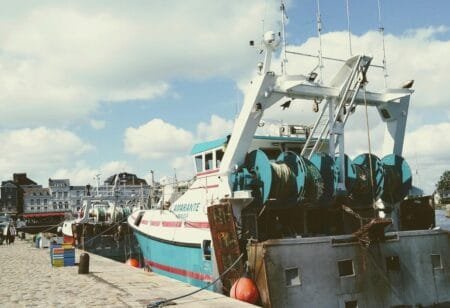
    Photo by Roberto Venturini

    (BRUSSELS) – From 1 January 2020, the maximum sulphur content of fuels from ships’ combustion engines is reduced to 0.5% (down from 3.5%) – reducing air pollution and protecting health and the environment.

    Sulphur Oxide (SOx) emissions from ships’ combustion engines cause acid rain and generate fine dust that can lead to respiratory and cardiovascular diseases, as well as reduced life expectancy.

    The global business of maritime transport required global solutions to reduce its emissions, said the EU’s Transport Commissioner Adina Valean: “The entry into force of the global sulphur cap is an important milestone for the entire maritime sector; it will contribute to further reduce emissions of harmful air pollutants, directly benefiting cities and communities around the globe, including important ones on our Southern European shores.”

    Since 2012, the EU has taken action to reduce the sulphur content of marine fuels through the Sulphur Directive. In 2016, the International Maritime Organization (IMO) maintained 2020 as entry-into-force date of the global 0.5% sulphur cap.

    Moreover, in some very fragile ecosystems such as the Baltic Sea and the North Sea – designated as ‘Sulphur Oxides Emissions Control Areas’ (SECAs) – the maximum sulphur content has been reduced to 0.10%, already in 2015. Such stricter sulphur limits have more than halved sulphur dioxide concentrations around SECAs, bringing health benefits to people in coastal regions and ports, while the overall economic impacts on the sector remained minimal.

    Based on the successful implementation of the Emission Control Area (ECA) limits, the introduction of the global sulphur limit is expected to bring similar results.

    Maritime transport has a direct impact on air quality in many European coastal cities. Exhaust gases from ships are a significant source of air pollution, including through sulphur oxide emissions resulting from the burning of fuel oil. Sulphur oxides are harmful to the human respiratory system and make breathing difficult.

    Ships traditionally use fuel oils for propulsion, which can have a sulphur content of up to 3.50 %. For comparison, the sulphur content of fuels used in trucks or passenger cars must not exceed 0.001 %. The 2012 Sulphur Directive, revised in 2016, reduced SOx emissions by setting maximum sulphur content levels for marine fuels and incorporated new standards set by the International Maritime Organisation into EU law both inside regionally protected areas and outside of those.

    Air emissions from shipping

    Add A Comment
    Leave A Reply Cancel Reply

    You must be logged in to post a comment.

    nps
    • Website

    Related Content

    GameZone casino

    The Future of Digital Interactive Play Explored Through GameZone Casino

    EU agenda - Image by Andreas Lischka from Pixabay

    EU Agenda: Week Ahead – 16-21 February 2026

    Euro coins and notes - Photo by Pixabay

    Eurozone Economic Calendar

    BEAK UAV drone made by Origin Robotics - Photo by Gints Ivuskans © European Union 2025

    EU announces action plan to counter drone threats

    Bee pollination - Photo by Michael Hodgins on Pexels

    Good progress on biodiversity, swifter action needed: EU report

    Business plan - Photo by Yan Krukau on Pexels

    5 Foundations That Every Business Must Start With

    LATEST EU NEWS
    BEAK UAV drone made by Origin Robotics - Photo by Gints Ivuskans © European Union 2025

    EU announces action plan to counter drone threats

    12 February 2026
    Bee pollination - Photo by Michael Hodgins on Pexels

    Good progress on biodiversity, swifter action needed: EU report

    12 February 2026
    Wine bottles - Photo by CHUTTERSNAP on Unsplash

    Euro-Parliament backs measures to protect and promote EU wine sector

    11 February 2026
    Parcel post - Image by congerdesign from Pixabay

    EU introduces EUR 3 levy on small parcels from China

    11 February 2026
    Cyber-bullying - Photo by Faye Tsui on Pexels

    EU action plan to protect young people against cyberbullying online

    10 February 2026

    Subscribe to EUbusiness Week

    Get the latest EU news

    CONTACT INFO

    • EUbusiness, 117 High Street, Chesham Buckinghamshire, HP5 1DE, United Kingdom
    • +44(0)20 8058 8232
    • service@eubusiness.com

    INFORMATION

    • About Us
    • Advertising
    • Contact Info

    Services

    • Privacy Policy
    • Terms
    • EU News

    SOCIAL MEDIA

    Facebook
    eubusiness.com © EUbusiness Ltd 2026

    Type above and press Enter to search. Press Esc to cancel.

    Sign In or Register

    Welcome Back!

    Login to your account below.

    Lost password?