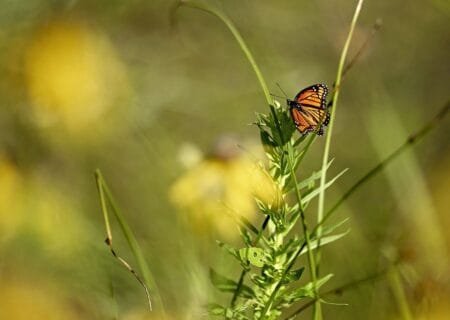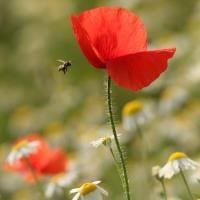
Image © Budimir Jevtic – Fotolia
(BRUSSELS) – With one in ten pollinating insects on the verge of extinction, and a third of bee and butterfly species declining, the EU launched Friday its first-ever initiative to address the decline of wild pollinating insects.
The IUCN European Red List of Threatened Species showed that 9% of wild bees and of butterflies, and as many as 24% of Europe’s bumblebee species are now threatened with extinction.
The new measures include a new indicator to improve monitoring and data, and better coordination of EU action across different sectors and policies to address the social and economic implications of the decline in pollinating insects.
“Our farmers’ future and the wellbeing of our rural communities depend on healthy ecosystems with rich biodiversity,” said Agriculture Commissioner Phil Hogan: “The tireless work of insect pollinators enables that richness. While their work comes for free, it is invaluable in maintaining the flow of goods and services from nature that underpin our existence. We need to act urgently to stop their decline.”
More than three quarters of the world’s food crops are in part dependent on pollination, and in Europe, crop pollination, is estimated to be worth EUR 15 billion annually.
Pollination is one of the key processes in nature which enables the reproduction of plants. In the EU alone, four in five crop and wild flower species depend on insect pollination. Pollinators are mainly insects, in particular bees and hoverflies, but also butterflies, moths, some beetles and other flying insects. Almost 15 billion of the EU’s annual agricultural output is directly attributed to insect pollinators. Besides productivity, pollinators support the variety of food sources enabling diverse and nutrient-rich diet. Action is necessary to safeguard biodiversity, agriculture and food security.
The Commission is proposing:
- Measures to improve knowledge of pollinator decline, including the causes and consequences. An EU monitoring process for pollinators will provide quality data on the status and trends of pollinator species. The Commission is also proposing a list of habitats important to pollinating insects, and assessment of their condition based on reporting of Member States under the Habitats Directive. In addition, the Commission is also proposing to launch a project to monitor the presence of pesticides in the environment. Horizon 2020 will continue to promote research and innovation in this area.
- Measures to tackle the causes of the decline,such as action plans for the habitats of the most threatened pollinating insects and identifying conservation and management approaches to help Member States. The Commission is also proposing to mitigate EU action across health, agricultural, research, cohesion, climate and environmental policies to achieve better results.
- To raise awareness, engage citizens and promote collaboration. The Commission will guide and incentivise businesses, in particular in the agri-food sector, to contribute to conservation. Educational material on pollinators will be provided to schools and through the European Solidarity Corps, and volunteering in projects that benefit communities and the environment will be encouraged.
The objectives of the EU Pollinators Initiative set a long-term perspective towards 2030, with a number of short term actions to be implemented until 2020. By the end of 2020, the Commission will review the progress on the implementation and, if necessary, propose further action.
EU Pollinators Initiative - background guide