Indonesia implemented a wide-ranging fiscal restructuring programme in 2025 under President Prabowo that focused on expenditure rationalisation, tighter enforcement and recovery of revenue from illegal economic activity, resulting in an estimated fiscal impact of about $30 billion while keeping the fiscal deficit within the statutory 3 percent ceiling and maintaining stable debt levels.

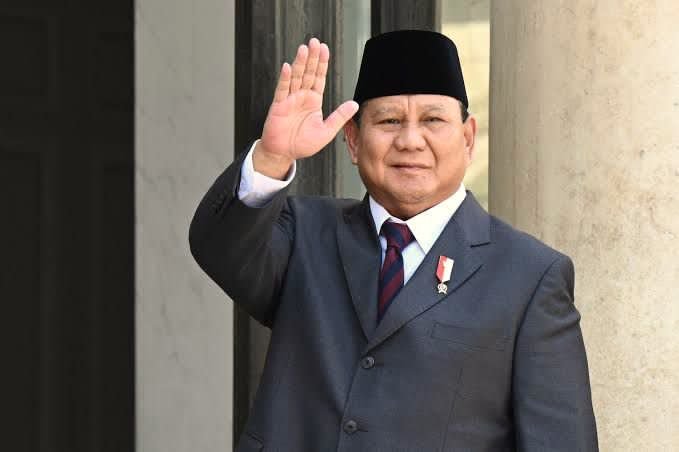
Indonesia implemented a wide-ranging fiscal restructuring programme in 2025 under President Prabowo that focused on expenditure rationalisation, tighter enforcement and recovery of revenue from illegal economic activity, resulting in an estimated fiscal impact of about $30 billion while keeping the fiscal deficit within the statutory 3 percent ceiling and maintaining stable debt levels.
The programme was executed without additional borrowing, with government debt remaining close to 40 percent of GDP, reflecting a strategy centred on reallocating existing resources rather than expanding liabilities. The administration said the measures demonstrate that large-scale social spending can be supported through efficiency gains and compliance enforcement.
On the expenditure side, the government reported direct budget savings of around $18 billion after cutting procurement-related waste by about 90 percent, reducing printing and ceremonial expenses by 75 percent and lowering spending on building rentals by 73 percent. Spending on meetings and seminars was curtailed by roughly 45 percent, while allocations for low-impact research were cut by more than half. Authorities said these reductions were carried out without scaling back essential public services or increasing taxes.
Additional fiscal headroom was generated through enforcement actions and recovery of lost revenue. Around four million hectares of illegal palm oil plantations were brought under state control, enabling formal taxation of output. Authorities shut down and regularised nearly 1,000 illegal tin mines to curb smuggling and revenue leakage. Fines were imposed on companies operating outside legal frameworks, while proceeds from major corruption cases were recovered through asset and cash confiscations. Enforcement agencies also seized large volumes of illicit cigarettes to restore excise compliance.
The fiscal gains were channelled into social and productive programmes. Between January and October 2025, rice output reached 34 million tonnes, supported by the addition of about 225,000 hectares of new cultivation area. The government distributed approximately three billion nutritious meals to around 60 million people, a programme that authorities said generated up to one million direct jobs. Free health check-ups were extended to about 70 million citizens, while more than 16,000 schools underwent renovation and close to 300,000 were equipped with digital infrastructure. In rural areas, over 83,000 village cooperatives received approval.
The Indonesian experience highlights an approach where fiscal space was created primarily through expenditure discipline and stronger enforcement rather than higher debt, allowing the government to scale welfare and growth-oriented programmes while maintaining macroeconomic stability.