Today, the European Commission unveiled its new Bioeconomy Strategy, aimed at boosting circularity, climate neutrality, and competitiveness across the EU. The European Biogas Association (EBA) welcomes the recognition of biogases and their co-products as a core pillar of Europe’s sustainable bioeconomy.

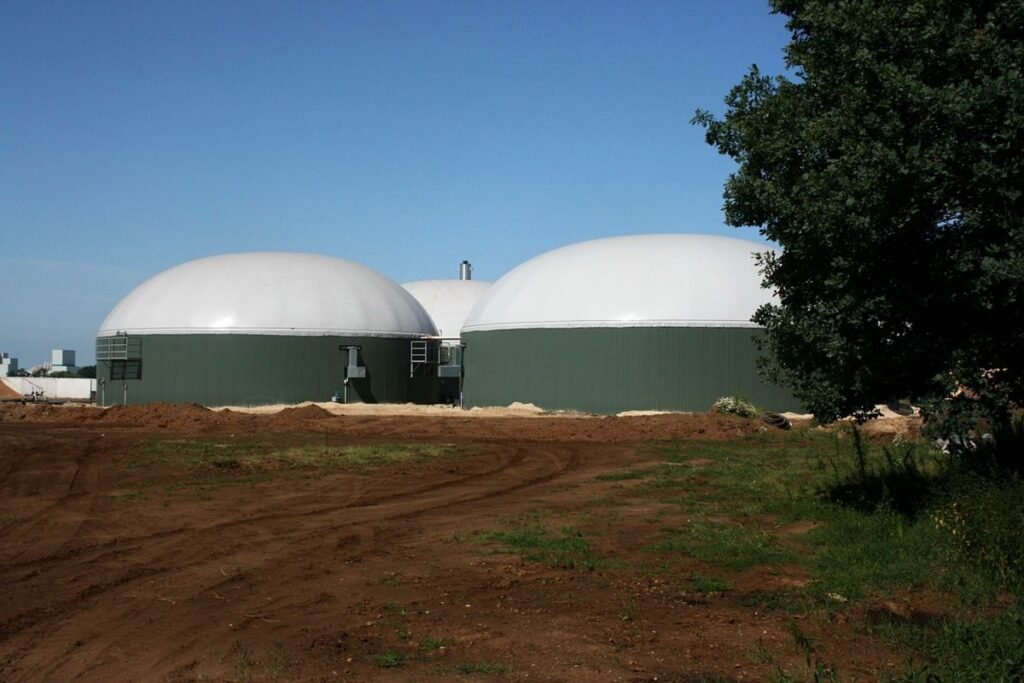
The European Commission proposal acknowledges the role of bioenergies and biofuels, as well as the need for flexibility when assessing efficient biomass-use pathways. This is essential for the recognition of biogas plants as biorefineries that produce not only renewable energy, but also two co-products (digestate and biogenic CO2) and innovative derivatives from these streams (e.g., e-fuels, syngas, green hydrogen, bio-based plastics, chemicals and fertilisers, polymers, etc.). This delivers exponential benefits across multiple sectors: renewable energy production, industry defossilisation, sustainable agriculture and environmental sustainability.
The EU Bioeconomy Strategy’s recognition of biowaste potential for biogas production is a welcome step forward. However, other sustainable biomass streams, such as manure and intermediate crops, must also be recognised as it holds significant untapped potential and will further strengthen Europe’s circular bioeconomy. EBA looks forward to their further promotion in the forthcoming Circular Economy Act.
The Strategy’s focus on bio-based fertilisers as a lead market is another positive step. Current production of biogases (22 bcm) generates 3 million tonnes of home-grown, nitrogen-based organic fertiliser, covering around 17% of the EU’s current nitrogen fertiliser demand. These materials can reduce reliance on synthetic inputs (24.2 Mt of fertilisers were imported into the EU in 2024, of which 11.2 Mt were nitrogen-based), support soil health, enable circular value chains, and provide practical solutions for farms. While regulatory barriers still affect uptake, EBA is ready to contribute to overcoming these challenges and scaling the adoption of bio-based fertilisers across Europe.
As highlighted in the Strategy, with the current revision of the Product Environmental Footprint (PEF) methodology, biogenic CO2 can now be properly accounted for, and biogenic carbon is recognised for permanent removals. Today, 127 plants are already valorising biogenic CO2, supplying 1.17 million tonnes of that co-product and meeting approximately 14% of Europe’s demand for merchant liquid and solid CO2.
EBA CEO Harmen Dekker said: “Recognising biogases and their co-products in the EU Bioeconomy Strategy highlights one of the most practical and immediate ways to deliver a circular, low-carbon, and competitive bioeconomy. It enhances industrial competitiveness and food security, reduces dependency on imports, and builds resilience through smart resource management and innovation. EBA stands ready to work with the European Commission to advance a circular, regenerative, and competitive bioeconomy powered by biogases.”
About the European Biogas Association (EBA)
EBA fully believes in the future potential of renewable gas in Europe. Founded in 2009, the association is committed to the deployment of sustainable biogas and biomethane production and use throughout the continent. EBA counts today on a well-established network that represent over 8,000 stakeholders across Europe, including national associations, companies and research organisations covering the whole biogas and biomethane value chain.