Recent geopolitical developments in the Middle East are increasing uncertainty in global markets and could have important implications for European retailers, wholesalers and consumers. The escalation of the conflict involving Iran is affecting key global markets, particularly energy and agricultural inputs.

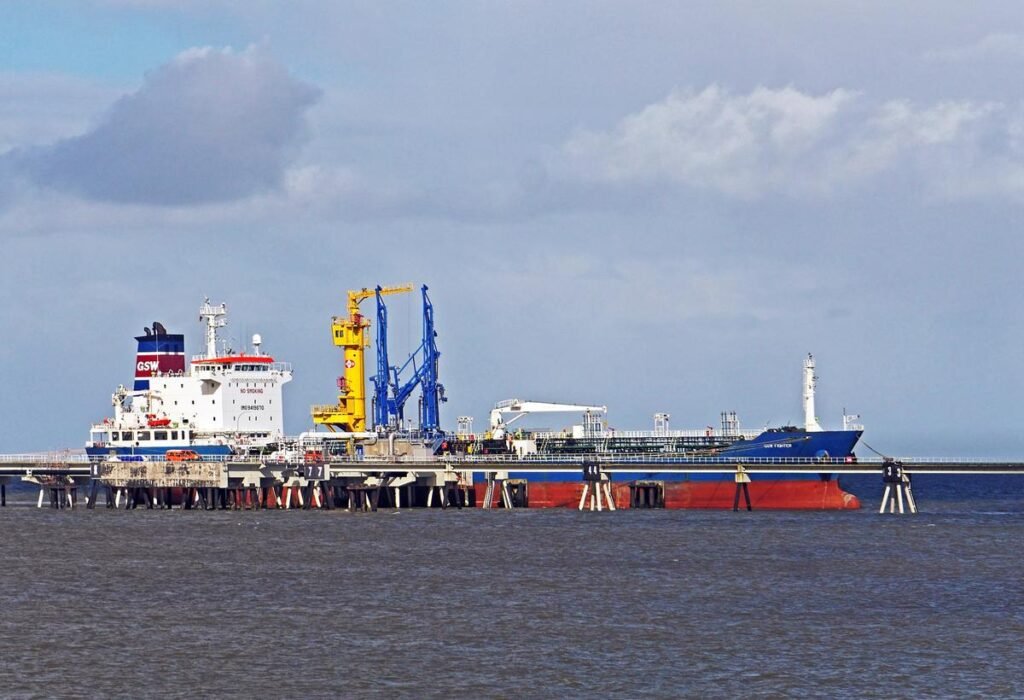
Energy markets have reacted quickly to regional disruptions. The Strait of Hormuz remains one of the world’s most important corridors for global energy trade, with around one quarter of global oil trade passing through it.
Christel Delberghe, Director General of EuroCommerce, the association representing retailers and wholesalers in Europe, comments: “We are concerned about further restrictions on such key trade routes. Free and secure maritime trade is a cornerstone of the global economy.” She added “Many European wholesalers and retailers have diversified sourcing and rerouted shipping routes in recent years. Nonetheless, disruptions in global shipping and higher insurance or freight costs could still add pressure on supply chains.”
The conflict may also affect fertiliser and agricultural markets. The Middle East plays an important role in the production and export of fertilisers, and disruptions to energy supply or trade routes could tighten global supply. As fertilisers are a key input for agriculture, higher prices may translate into a cost increase in agricultural production and ultimately higher food prices.
“Europe’s retail and wholesale sector plays a crucial role in ensuring the continued availability of consumer goods even in times of global disruption. Preserving a strong, competitive Single Market is key to Europe’s resilience and the best guarantee of food security and consumer welfare, in the form of affordable prices, choice, and innovation. These elements should remain central to policymaking and enforcement in the EU.”, highlights Delberghe.
EuroCommerce will continue to monitor developments closely and engage with the European Commission to support resilient supply chains and limit the impact of geopolitical shocks on European consumers.
EuroCommerce is the principal European organisation representing the retail and wholesale sector. It embraces national associations in 28 countries and 5 million companies, including leading global players and many small businesses. Over a billion times a day, retailers and wholesalers distribute goods and provide an essential service to millions of businesses and individual customers. The sector generates 1 in 7 jobs, offering a varied career to 26 million Europeans, many of them young people. It also supports millions of further jobs throughout the supply chain, from small local suppliers to international businesses. EuroCommerce is the recognised European social partner for the retail and wholesale sector.